

Aksum
Aksum (Axum) is one of Ethiopia’s most important historical and spiritual destinations — the heart of the powerful Aksumite Empire, which ruled from around the 1st to 7th centuries AD. It was once one of the great civilizations of the ancient world, trading with Rome, Persia, and India.
Aksum is not just a historical site — it is the birthplace of Ethiopian civilization and a cornerstone of Africa’s ancient history.
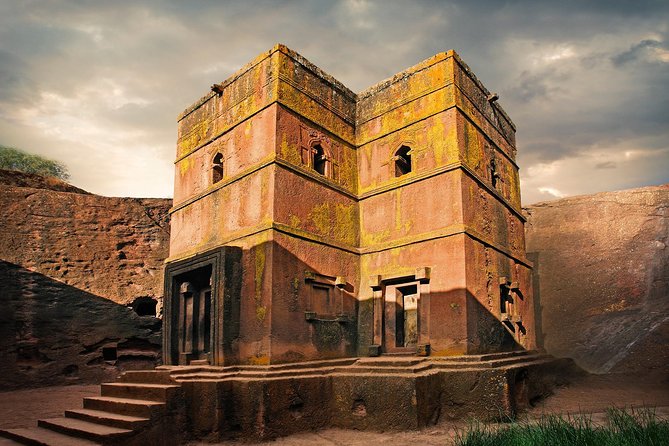
Rock-Hewn Churches of Lalibela
The churches were built during the reign of King Gebre Mesqel Lalibela of the Zagwe Dynasty. According to tradition, they were constructed to create a symbolic Jerusalem after pilgrimages to the Holy Land became difficult.
Today, Lalibela is recognized as a UNESCO World Heritage Site and is one of Ethiopia’s most important religious destinations.
The Rock-Hewn Churches of Lalibela are not just monuments — they are living symbols of faith, devotion, and extraordinary human craftsmanship.

Fasil Ginb – Gondar
Fasil Ghnbi, also known as the Royal Enclosure of Gondar, is a historic fortress-city in Gondar and one of Ethiopia’s most iconic imperial sites. Built in the 17th century, it served as the residence of Ethiopian emperors and the administrative center of the Gondarine kingdom. It is often called the “Camelot of Africa.”
Fasil Ghnbi is not just a historical site — it’s a living testament to Ethiopia’s imperial heritage, architectural ingenuity, and rich cultural traditions.

Lake Tana – Bahir Dar
Lake Tana is the largest lake in Ethiopia and the source of the Blue Nile River. Situated near Bahir Dar, it is both a natural and cultural treasure, dotted with ancient monasteries, islands, and scenic landscapes.
Ura Kidane Mehret – Famous for vivid religious paintings
Kebran Gabriel – Known for ancient manuscripts and sacred artifacts
Boat trips allow visitors to explore multiple islands and monasteries
Lake Tana and Bahir Dar combine natural beauty, spiritual history, and cultural richness, making them a must-visit destination on any Historic Ethiopia or Northern Ethiopia tour.

Harar Jugol
Harar Jugol is the ancient walled city of Harar, recognized as a UNESCO World Heritage Site and one of Ethiopia’s most culturally vibrant destinations. Often called the “City of Saints,” Harar is famous for its labyrinthine alleyways, colorful markets, and rich Islamic heritage.
Founded in the 7th century CE, Harar became a major Islamic center in the Horn of Africa
The old city is encircled by defensive walls called Jugol, with five historic gates
Contains over 80 mosques and 100 shrines, many centuries old
Known for its blend of Islamic and local Harari traditions
- Harar Jugol offers a rare glimpse into Ethiopia’s Islamic heritage, contrasting with the predominantly Christian north. It’s a living city where history, religion, and daily life intertwine in a truly extraordinary way.

Tiya
Tiya is a remarkable archaeological site located about 80 km south of Addis Ababa in the Southern Nations, Nationalities, and Peoples’ Region. It is famous for its ancient megalithic stone stelae, which are part of Ethiopia’s rich prehistoric heritage.
Tiya contains 36 standing stones (stelae), some of which are engraved with symbolic patterns such as swords, crosses, and geometric shapes
Believed to date from 10th–15th centuries AD, linked to ancient Ethiopian cultures
A UNESCO World Heritage Site, part of the “Lower Valley of the Awash and Tiya” listing
Thought to mark graves or ceremonial sites, offering insight into early funerary traditions in the region
Tiya is a fascinating stop for travelers interested in archaeology, history, and Ethiopia’s ancient civilizations. Its mysterious stelae connect visitors with Ethiopia’s deep past and offer a quieter, reflective experience compared to the more famous northern sites.